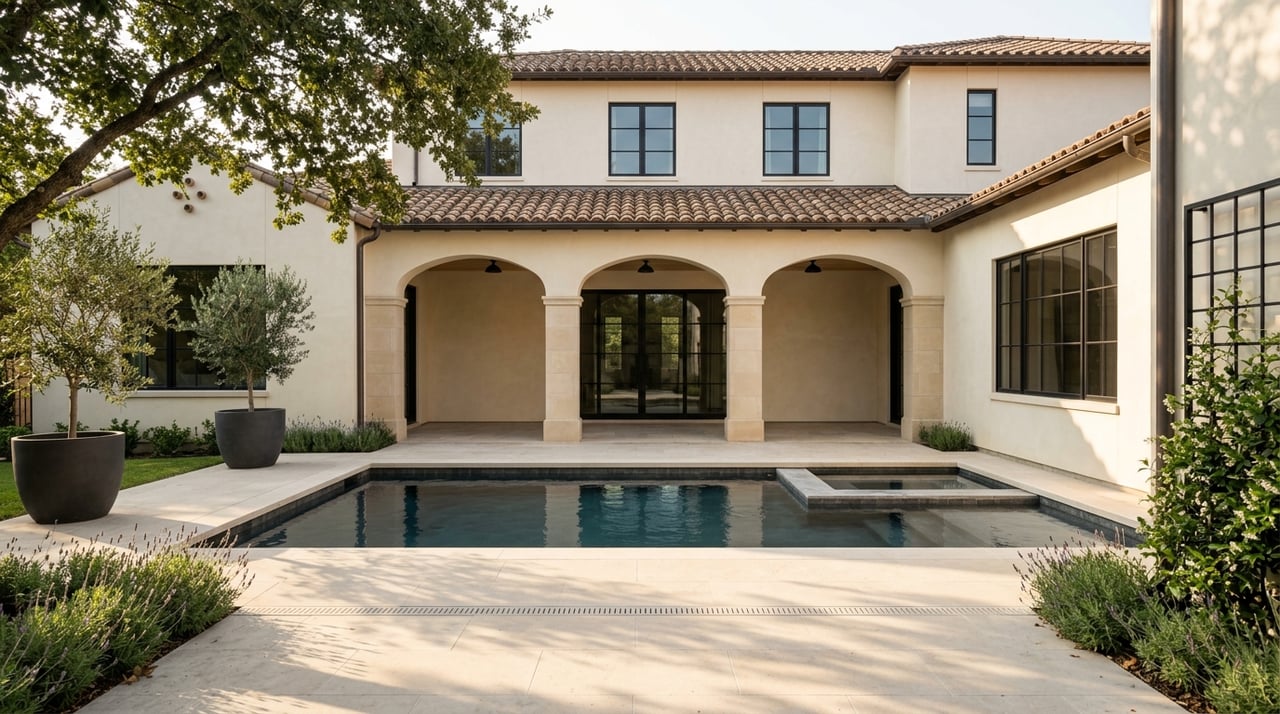
Bay Area To Sacramento: Housing And Lifestyle Guide
Thinking about leaving the Bay Area, but not ready to give up access, culture, or everyday convenience? Sacramento is on many buyers’ radar for exactly that reason. If you are weighing space, price, commute patterns, and lifestyle tradeoffs, this guide will help you understand what really changes when you move inland. Let’s dive in.
For many Bay Area buyers, Sacramento stands out because the housing math looks very different. Redfin reported a Sacramento median sale price of $499,701 for the three months ending May 2026, while the San Francisco metro median sale price was $1.7 million in March 2026. That kind of gap can change what you can buy, how much space you get, and how you think about long-term flexibility.
Sacramento also offers more than a lower price point. The city had 536,449 residents in July 2025, a median household income of $87,321, and a mean commute time of 25.3 minutes. You are looking at a capital city with urban amenities, established neighborhoods, and access to outdoor recreation, all within a region that still connects back to the Bay Area.
Redfin migration data for late 2025 found San Francisco was the top metro origin for Sacramento homebuyer searches. That does not prove every search becomes a move, but it does show Sacramento continues to attract serious interest from Bay Area households.
Sacramento remains an active market, so lower pricing does not automatically mean slow or easy. Redfin says homes receive about four offers on average, sell in around 18 days, and had a median sale price of $499,701 in May 2026. If you are relocating, it helps to prepare early and understand that timing still matters.
For broader context, Sacramento County REALTORS reported a county median sold price of $539,000 in January 2026, with 47 average days on market and 2.4 months of inventory. That report covers the county and West Sacramento, so it is best used as regional context rather than a city-only snapshot.
If you plan to rent before buying, Zillow reported average rent of $1,895 per month in June 2026. That can make a short-term landing plan more workable for buyers who want to learn the area before choosing a neighborhood.
One of Sacramento’s defining housing traits is the amount of single-family residential area. The city’s housing history page says more than 60% of residential areas are zoned for single-family housing. For Bay Area buyers who want a yard, garage, or a more traditional detached-home setting, that is a meaningful difference.
At the same time, Sacramento is not one uniform market. The city includes older central neighborhoods shaped by early streetcar growth, mixed-use urban districts, and newer suburban-style areas with different layouts and commute patterns. Your experience can vary a lot depending on where you land.
The city also became California’s first Prohousing Designation city in 2022. For buyers watching future growth, that matters because it points to continued attention on infill, housing choice, and evolving development patterns.
A move to Sacramento is not just about buying a cheaper house. It is also about changing your day-to-day rhythm. The California Department of Finance describes Sacramento as the state capital with arts and culinary scenes, tree-lined streets, older neighborhoods, outdoor activities, and access to places like the Bay Area, wine country, and Tahoe.
Downtown access is part of the appeal for many buyers. The same source highlights the Capitol, Golden 1 Center, DOCO, River Cats, and summer concerts in the park. If you like having events, dining, and civic energy nearby, Sacramento offers that in a more compact format than many larger coastal metros.
Outdoor life is another major draw. The City of Sacramento reports 237 parks and parkways totaling more than 4,300 acres. Sacramento County says the American River Parkway is about 29 miles long, and the Jedediah Smith Memorial Trail stretches 32 miles, supporting biking, walking, skating, and horseback riding.
If you are moving from a coastal Bay Area climate, summer in Sacramento will likely feel like the biggest adjustment. NOAA climate normals show an annual mean temperature of 63.4°F, annual precipitation of 19.2 inches, and a July mean daily maximum of 94.4°F. Rainfall in summer is essentially nonexistent.
In practical terms, that means hotter, drier summers than most Bay Area households are used to. You may want to think differently about shade, pool access, landscaping, irrigation, and how much outdoor activity you want during peak afternoon heat.
Sacramento works best when you compare neighborhoods by lifestyle, housing type, and access, not just by price. Here are a few of the areas Bay Area movers often explore first.
If you want the most urban feel in Sacramento, Midtown and Downtown are usually the starting point. City planning documents describe Midtown as tree-lined and architecturally mixed, with residences alongside cafes, shops, boutiques, galleries, supermarkets, lofts, and other mixed-use buildings.
For buyers used to walkable commercial corridors and a denser neighborhood feel, this part of the city often feels the most familiar. It is not the same as San Francisco or Oakland, but it offers Sacramento’s clearest version of city living.
East Sacramento offers a more established central-city residential setting with strong access to amenities. The city’s 2040 General Plan describes it as blending urban amenities with community identity, with bus and light rail access, walking and biking infrastructure, mature trees, and proximity to the American River Parkway.
For many buyers, East Sacramento stands out because it balances neighborhood character with convenience. If you want an older residential area with strong access to parks and city amenities, it is often high on the list.
Land Park and nearby South Land Park appeal to buyers who want an established residential environment close to the central city. City project documents describe South Land Park as a later-built area that was largely developed in the late 1940s and 1950s and characterized by single-family residences.
This area can make sense if you want a more classic neighborhood layout rather than a newer subdivision feel. It is often part of the conversation for buyers prioritizing central location and detached homes.
Pocket/Greenhaven has a mostly residential pattern with a strong single-family presence. The Pocket Community Plan says the area includes mostly single-family units with multifamily integrated throughout the community, plus parks, civic uses, neighborhood retail, and river access.
I-5 is the major north-south route linking the area to the rest of Sacramento. For some buyers, that combination of residential scale, amenities, and access creates a practical middle ground between urban and suburban preferences.
Natomas is one of Sacramento’s key newer suburban-style areas. The city says it has grown rapidly since the mid-1990s, with extensive residential, retail, and office-park development, along with access to two major freeways, Sacramento International Airport, and downtown.
For buyers who want newer layouts, easier airport access, and room for continued growth, Natomas often comes up early in a search. It is also important to check flood maps early, since the city maintains a Natomas floodplain page and flood exposure should be part of your due diligence.
For Bay Area movers, access matters just as much as home price. Caltrans says I-80 is the primary corridor connecting the San Francisco Bay Area to the Sacramento region. That makes Sacramento a realistic option for people who still need occasional Bay Area travel.
Rail access also helps. Capitol Corridor’s current schedule includes direct Sacramento service to Davis, Richmond, Berkeley, Emeryville, Oakland Jack London Square, and San Jose, plus a San Francisco bus connection from Emeryville. Depending on your work and travel pattern, that can add flexibility.
Within the region, SacRT says it operates more than 82 bus routes, 43 miles of light rail, and an hourly Route 142 Airport Express between downtown Sacramento and SMF. Even if you plan to drive most days, local transit access can shape which neighborhoods feel most convenient.
When you are relocating, a few details deserve early attention because they can affect your search fast.
School boundaries should be verified by address, not by neighborhood shorthand. Sacramento City Unified assigns neighborhood schools based on attendance boundaries and provides a School Finder tool. If school assignment matters to your move, verify it before you write an offer.
Flood due diligence is especially important in areas such as Natomas. Rather than assuming risk levels are the same across the city, review flood map information early in your search so you understand how it may affect property choice and insurance planning.
If you are a homeowner aged 55+ or otherwise eligible, Proposition 19 may affect your move. California’s Board of Equalization explains base-year value transfer rules, which can be important if you are rightsizing, downsizing, or relocating within California.
For many Bay Area buyers, Sacramento is not about settling for less. It is about reallocating budget, square footage, commute expectations, and lifestyle priorities in a way that better fits this stage of life. You may trade cooler summer weather for more space, a shorter local commute, or a different housing type.
The right move depends on what matters most to you. If you want urban energy, Midtown or Downtown may rise to the top. If you want established residential character, East Sacramento, Land Park, or Pocket/Greenhaven may fit better. If newer suburban development and airport access matter most, Natomas may be worth a close look.
A successful Bay Area-to-Sacramento move usually comes down to matching your daily life to the right submarket, not just finding a lower list price. If you want a clear, strategic plan for your move, Iman Turminini offers concierge-style guidance for Bay Area relocators who want local insight, careful planning, and broker-level representation.

You’ve probably met agents who promise the moon and then deliver a lot of noise and little action.

We'll explore everything you need to know about Roseville homes, from the listings & trends.
Iman Baydoun Turminini is distinguished as the best real estate agent in Greater Sacramento, known for her commitment to helping buyers and sellers thrive. Whether you’re searching for a seller agent or working with the best realtor for buyers in Greater Sacramento, she is your go-to advisor for every step of the process.