Same Price, Different Bill: The Mello-Roos Math Roseville Buyers Miss
Two homes go under contract in Roseville the same week. Both are three-bedroom singles listing right around $650,000. Both close in about three weeks, which tracks with the roughly 20-day pace Roseville homes were selling at in the three months ending May 2026. On paper, the buyers made the same purchase.
Their monthly housing costs are not the same. One of them is paying $600 to $1,000 more every month than the other, and neither the listing price nor the square footage explains why. The difference lives in a line item that doesn't show up until the preliminary title report: which Community Facilities District, if any, the parcel sits inside.
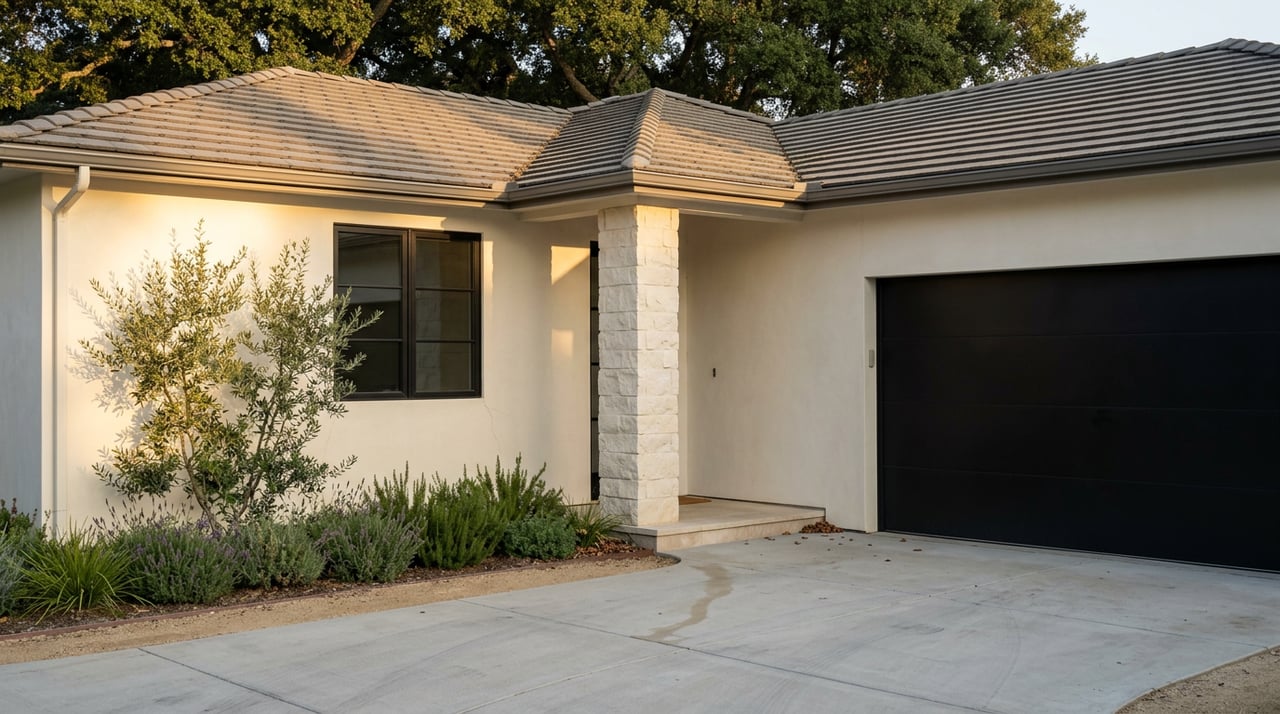
The easy story about Roseville is that new construction in the west costs more than established homes in the east. That's roughly true on sticker price, but it undersells the actual gap. West Roseville zip code 95747, home to Westpark and Fiddyment Farm, and established East Roseville in 95661 currently sell in a similar band, often $650,000 to $670,000. What separates them isn't the purchase price. It's a special tax that rides along with the parcel and rarely appears on the numbers a buyer sees first.
That tax exists because Proposition 13 capped how much a city can collect through standard property tax, and Roseville, like most fast-growing California cities, needed another way to pay for the roads, parks, and drainage systems a new subdivision requires before anyone moves in. The Mello-Roos Community Facilities Act of 1982 gave cities that tool. A developer forms a Community Facilities District, the district issues bonds to build the infrastructure, and the homeowners inside that district's boundary repay the bonds through an annual special tax on their property tax bill.
Roseville's Finance Department keeps a running list of these districts, and it is worth actually looking at rather than treating as background trivia. On the services side, the city's current rolls include Amoruso Ranch CFD 2, Creekview CFD 2, Crocker Ranch CFD 2, and a citywide Municipal Services CFD 3. On the bond side, funding actual infrastructure construction, Villages at Sierra Vista CFD 1 is among the districts still repaying its fiscal agent agreement. Each one has its own boundary map, its own bond schedule, and its own tax formula. A property a half mile from another can sit inside a different district entirely, or in no district at all.
Roseville's baseline effective property tax rate runs from about 1.07% to 1.18% of assessed value once you include the state's 1% base and Placer County's voter-approved bonds. Add an active Mello-Roos assessment and that effective rate can push past 1.3%, but the more useful number isn't the rate. It's the flat dollar figure, because Mello-Roos is typically charged per parcel or per square footage of building, not as a percentage of value the way the base tax is.
In newer West Roseville developments, that flat charge commonly runs in the range of several thousand to over ten thousand dollars a year, depending on the district and how recently the bonds were issued. Established neighborhoods east of Sunrise Avenue and in Central and Old Town Roseville typically carry little or none of it, because their infrastructure was largely paid for through conventional means before CFDs became the standard financing tool for new subdivisions.
Here's what that looks like on two homes priced identically at $650,000, using Roseville's current effective tax range and a representative CFD assessment for a newer district:
| Established home (East/Central Roseville, no active CFD) | New construction (West Roseville CFD district) | |
|---|---|---|
| Purchase price | $650,000 | $650,000 |
| Base property tax (approx. 1.1%) | ~$7,150/year | ~$7,150/year |
| Mello-Roos special tax | $0 | $7,000 to $12,000/year |
| Approximate total annual tax burden | ~$7,150 | ~$14,150 to $19,150 |
| Added monthly cost | $0 | ~$583 to $1,000 |
Those Mello-Roos figures are illustrative ranges drawn from typical West Roseville CFD assessments, not a quote for any specific address. The point isn't the exact dollar amount. It's that a buyer comparing two homes on price alone can miss $600 to $1,000 a month in real carrying cost, which is enough to change what someone qualifies for or what they should actually be willing to pay.
There's a second variable worth tracking once you know a home carries a CFD: how much longer the tax runs. Most bond-funded CFDs have a term of 20 to 40 years from issuance, and the tax disappears once the bonds are retired. A district five years from payoff and one twenty-five years out can carry a similar annual charge today but represent very different long-term costs. Some districts also fund ongoing services like police patrols or park maintenance rather than bond repayment, and those charges don't have a built-in expiration. They continue until a district vote ends them.
The financial side is only half of this. The other half is a disclosure requirement that can reopen a deal days before closing.
California Civil Code Section 1102.6b requires a seller to make a good faith effort to obtain and deliver a formal Notice of Special Tax whenever a property sits inside a Mello-Roos district. That notice has to identify the district by name, state the current annual tax and the maximum the tax could reach, and note the contact number for the levying agency. It's not satisfied by a verbal mention that "there might be an HOA thing" or a vague line in a listing description.
Timing is where this gets consequential. If that notice arrives late, or if an earlier disclosure gets amended once escrow is already underway, California law gives the buyer a window to walk. Under Civil Code Section 1102.13, a buyer who receives an amended disclosure has 3 business days after personal delivery, or 5 days if it comes by mail, to cancel the contract in writing, and that right exists even if every other contingency has already been removed. A seller who assumed the deal was locked can watch it come apart over a document that should have gone out in the first week of escrow.
This is why the disclosure isn't a formality to rush through. A listing agent who pulls the CFD detail before a home goes live, and states the annual assessment plainly in the marketing materials, removes the surprise that causes buyers to renegotiate or walk late. A buyer's agent who requests the Notice of Special Tax before an offer goes in, rather than waiting for it to show up in escrow, protects a client's ability to actually compare two homes on equal footing.
If you're relocating from the Bay Area and comparing West Roseville's new construction against an established home closer to Old Town, run the comparison on total monthly cost, not list price. A newer home with a $10,000 annual CFD charge and an older home with none can land at nearly the same real cost even when their sticker prices differ by tens of thousands of dollars.
If you're selling a home in a district like Creekview, Crocker Ranch, or Sierra Vista, get ahead of the number. Buyers who see the assessment stated clearly and early tend to factor it into their offer calmly. Buyers who discover it during escrow tend to renegotiate, and sometimes they don't come back with a number you like.
If you're weighing a retirement move and comparing carrying costs long term, the CFD's remaining term matters as much as its current annual charge. A district with fifteen years left on its bonds is a very different long-term commitment than one three years from retiring.
None of this is tax or legal advice, and the exact figures on any specific parcel need to come from the county tax bill and the district's own notice, not an estimate. But knowing which questions to ask, and which Roseville districts currently carry an active assessment, changes how you read every listing that crosses your screen.
Does Mello-Roos ever go away? Bond-funded CFDs typically run 20 to 40 years and end once the bonds are paid off. Service-funded CFDs, which cover things like ongoing park maintenance or patrol services, don't have a built-in end date and continue until ended by a district vote.
Is the tax deductible? Charges that fund ongoing services may function like a deductible property tax. Charges that repay infrastructure bonds are generally treated as a capital assessment and are typically not deductible. The split is sometimes listed separately on the tax bill, and a CPA should confirm the treatment for your specific parcel.
How do I find out if a specific Roseville address carries a CFD before I write an offer? Roseville's Finance Department publishes boundary maps for each active district, and a preliminary title report during escrow will list any special tax lien on the parcel. Asking for this before an offer goes in, rather than waiting for escrow, gives you time to run the real numbers.
If you're comparing two Roseville addresses right now and the price tags look identical, the district each one sits in is where the real comparison starts. Iman Turminini can pull the CFD detail on any Roseville property you're considering, on either side of the transaction, before you're deep enough in that the numbers surprise you.

Iman Baydoun Turminini is distinguished as the best real estate agent in Greater Sacramento, known for her commitment to helping buyers and sellers thrive. Whether you’re searching for a seller agent or working with the best realtor for buyers in Greater Sacramento, she is your go-to advisor for every step of the process.